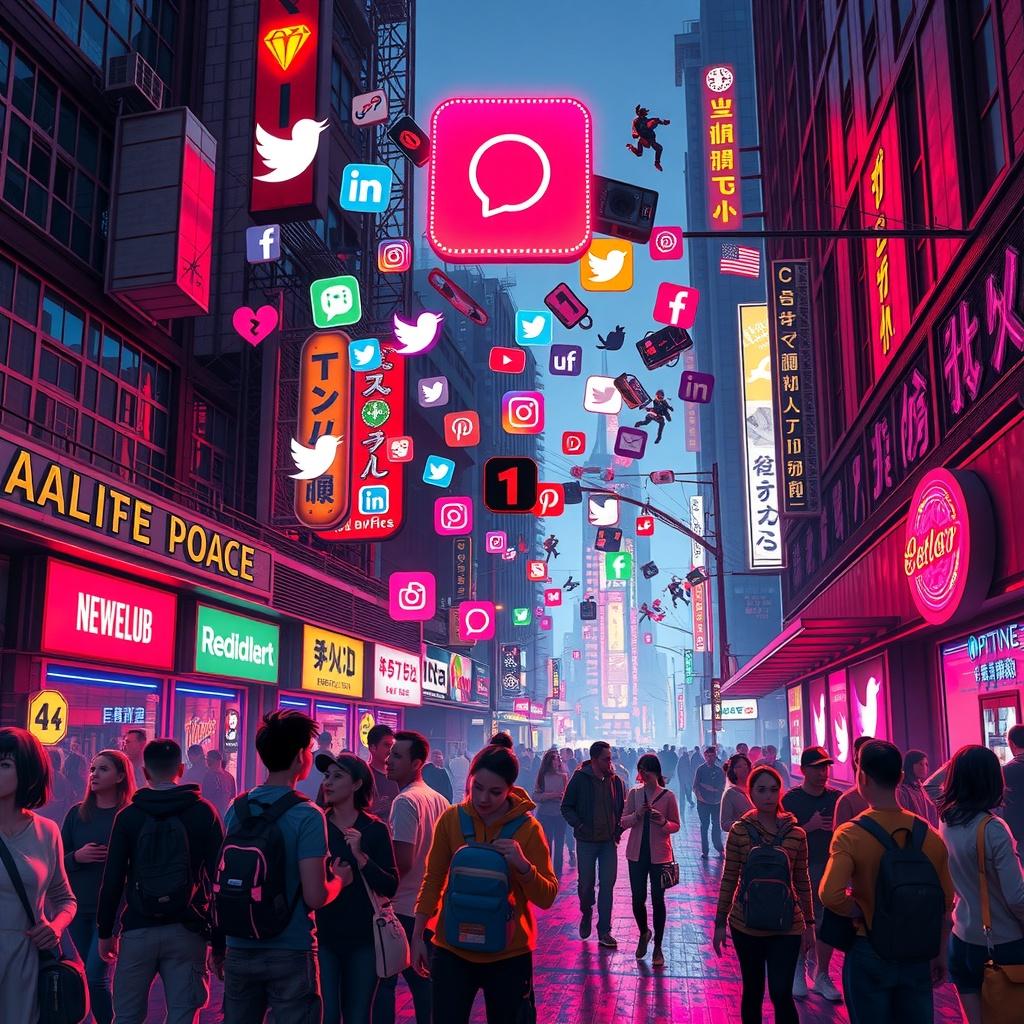
Across the UK, the night was alive with the quiet hum of notifications—until, suddenly, a collective gasp rippled through bedrooms and flats. Screens froze on the familiar red play button of YouTube, then faded to a relentless spinning circle. Fingers tapped, refreshed, waited. Then Snapchat stuttered, Facebook went blank, TikTok vanished into static. The pulse of online life stilled, leaving only the soft patter of rain and the restless shuffle of those who could not sleep.
Panic spread with the sunrise. News anchors, usually composed, stumbled over their scripts, reporting the unthinkable: all major social media platforms had gone dark. Wild speculation filled the airwaves. Was it a system failure, or something more sinister? The BBC’s phones rang off the hook; the news cycle spun faster than ever, but the information was as scarce as the digital laughter that had vanished overnight.
Customer hotlines were overwhelmed, lines stretching for hours. Sophie Turner, a young marketing executive, listened in disbelief to a recording: "We are sorry, due to high volumes of calls, our customer service has a waiting time of four hours. You are number 320 in the queue." The message looped endlessly, mocking her helplessness. In forums and group chats—those that still worked—anger simmered. What would people do with their voices silenced and their feeds frozen?
On the third day, the world outside began to stir. Neighbors who had never spoken now shared worried glances and brief, awkward hellos. David Lin, a university student, found himself at a café, discussing the attack with strangers. "I haven’t heard from my friends in Canada," he said, voice tinged with uncertainty. "It’s like we’ve all been cut off—from everyone, from everything we know," replied Sophie, her hands wrapped tightly around a mug of tea.
The BBC confirmed suspicions of a foreign intelligence operation, likely Russian. The city’s mood soured—people wanted answers, and someone to blame. Rumors spread like wildfire. Some accused the government, others cursed the platforms themselves. Yet amid the unrest, something unexpected happened: in parks and pubs, people began to pair off, seeking comfort in physical presence and shared uncertainty.
After almost a week, whispers of ransom payments surfaced. Some platforms returned, battered and insecure, their feeds clogged with apologies. Evelyn Ruiz, a technical support leader, recorded a message for the masses: "We appreciate your patience. We promise to make things right." Users, once furious, now felt something like resignation, even relief. They had survived without the digital world—what else might they survive?
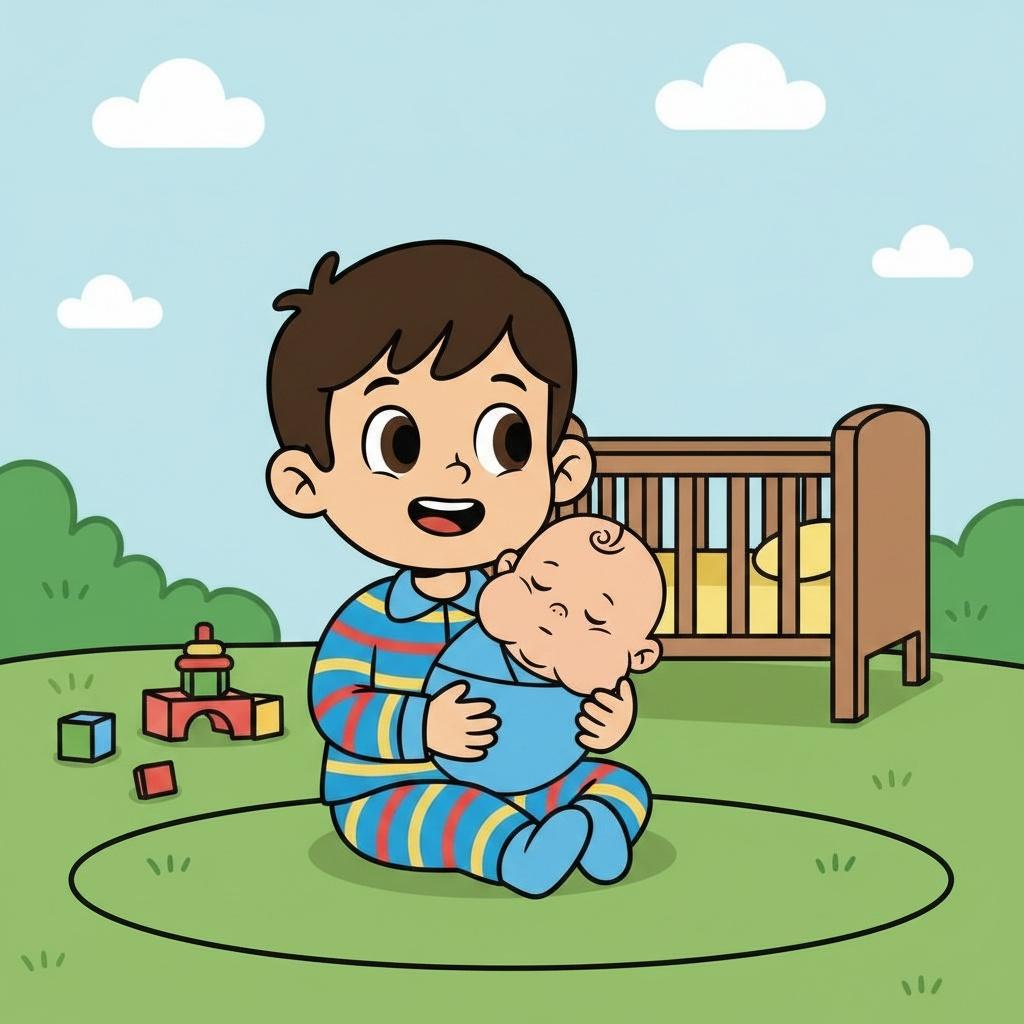
Life, it seemed, had found a way. Birth rates soared, maternity wards overflowed. The week without social media had left an indelible mark—new families, new friendships, and a generation known as the Social Loves. In the years ahead, stories would be told of the week the world went silent, and how, in that silence, something entirely new was born.