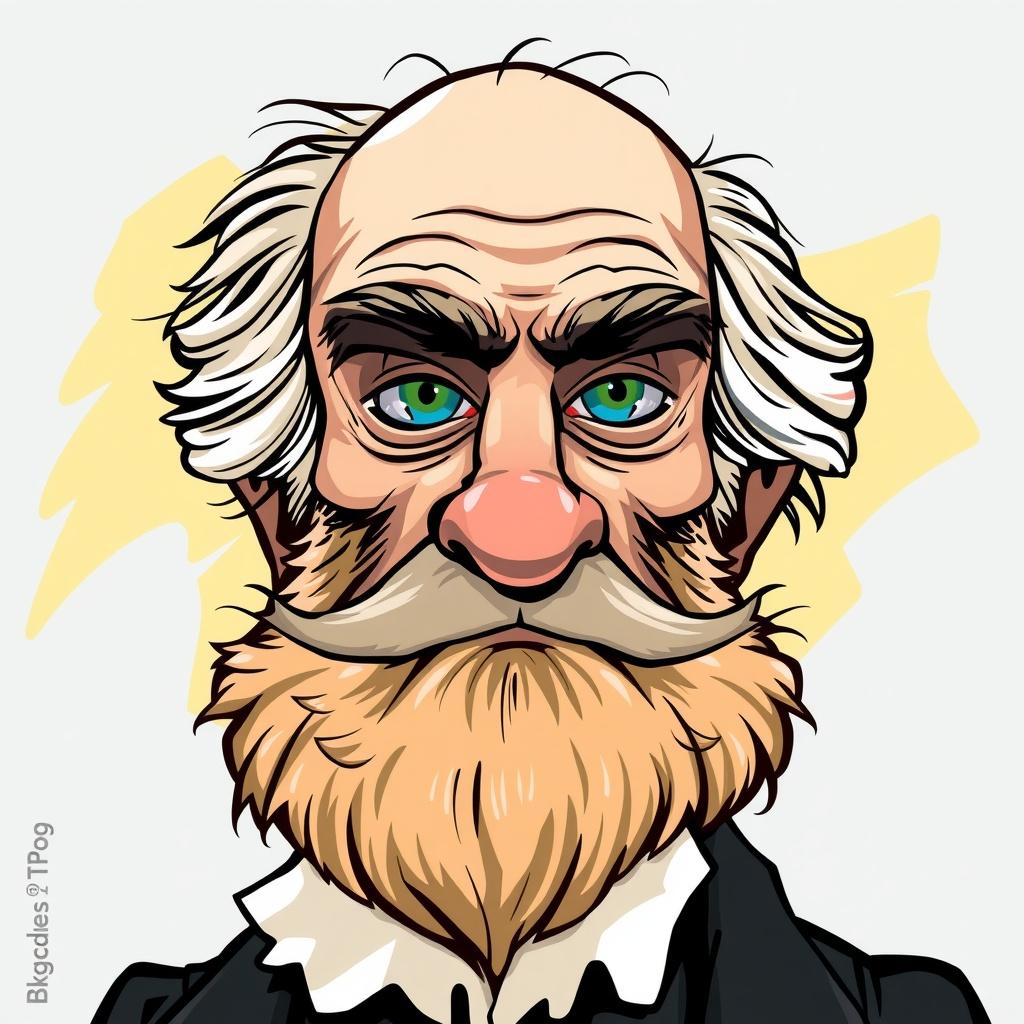
On February 12, 1809, in the small town of Shrewsbury, Charles Darwin was born into the warm lovely family. The son of Dr. Robert Darwin, a respected physician, and Susannah Wedgwood, heiress to the Wedgwood pottery fortune, Charles was destined for a life of intellectual pursuit. The gentle hum of the early morning was interrupted by the sound of his first cries, a prelude to the profound impact he would eventually have on the world.
Charles spent his childhood amidst the natural beauty of his family’s estate. His early years were filled with exploration and discovery, wandering the gardens and fields, collecting beetles and observing wildlife. This formative environment nurtured his innate curiosity and laid the foundation for his future scientific endeavors. Charles’s fascination with nature was evident even then, as he meticulously categorized his findings with an almost scholarly precision.
At the age of sixteen, Charles was sent to the University of Edinburgh to study medicine, following in his father’s footsteps. However, his heart was not in it. The sight of surgery without anesthesia unsettled him, steering his interests toward the natural sciences. There, he met Dr. Robert Grant, a mentor who introduced him to the world of marine biology. It was a pivotal moment, shaping Charles’s future path away from medicine and toward the study of life itself.
In 1831, Charles embarked on a journey that would change the course of his life and science. As a naturalist aboard the HMS Beagle, he traversed the globe, collecting specimens and documenting diverse ecosystems. The Galápagos Islands, in particular, captivated him with their unique flora and fauna. It was here that the seeds of his groundbreaking theory of evolution through natural selection took root, as he observed variations among species that suggested a common ancestry.
In 1859, Charles published "On the Origin of Species," a work that challenged the very foundation of contemporary scientific thought. The book sparked intense debate and controversy, as it contradicted the prevailing religious doctrines of creation. Despite fierce criticism, Charles remained steadfast, believing in the evidence he had meticulously laid the groundwork for modern biology, forever altering humanity's understanding of life on Earth.
Charles Darwin spent his later years at Down House, surrounded by the nature he so loved. Reflecting on his life's work, he found solace in the knowledge that his contributions would endure. Charles’s legacy lives on, inspiring generations of scientists to explore the mysteries of life. His journey from a curious child to a pioneering scientist is a testament to the power of observation and the relentless pursuit of truth. As he once said, "It is not the strongest of the species that survive, nor the most intelligent, but the one most responsive to change."