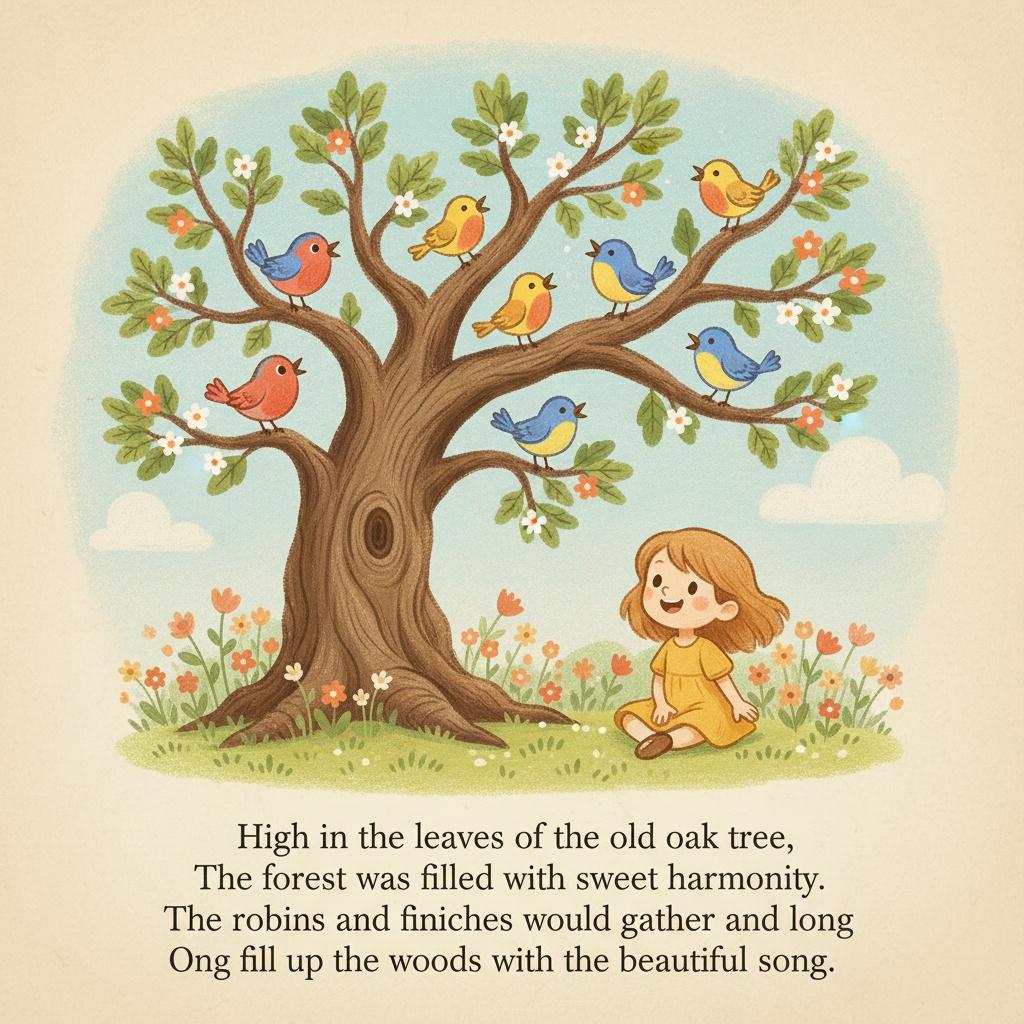
Gregor Mendel was a curious child, always eager to understand the mysteries of nature that surrounded him. He often spent his days observing the plants and insects, fascinated by their intricate details. "Why do some plants grow taller than others, Father?" he asked, his voice filled with wonder.
Mendel was no longer the farm boy from Silesia but a diligent student, eager to learn about the world beyond his village. His professors recognized his passion for science and encouraged him to pursue his studies further. "The answers you seek lie in experimentation, Mendel," one of his mentors advised.
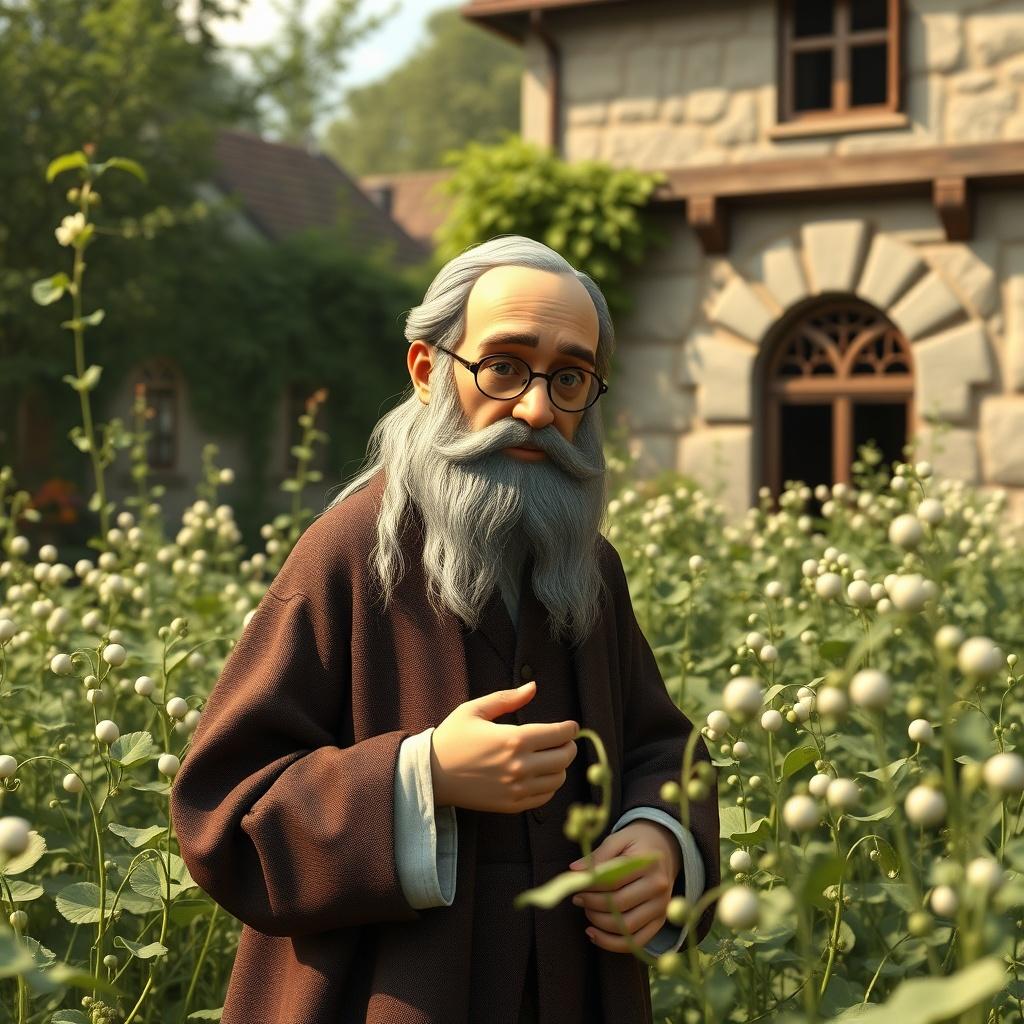
Mendel, now a monk, meticulously tended to his experiments, breeding different varieties of peas. He noted the patterns in their traits, driven by a burning desire to uncover the laws governing inheritance. "Each seed holds a secret," he mused, as he carefully recorded his observations in a leather-bound journal.
Mendel's persistence paid off when he formulated the fundamental laws of inheritance. He realized that traits were passed down in predictable ways, laying the groundwork for modern genetics. "This knowledge could change our understanding of biology," he whispered to himself, feeling the weight of his discovery.
Mendel's work had finally gained the recognition it deserved, long after his quiet life at the monastery had ended. His principles transformed biology, influencing generations of scientists. "He was ahead of his time," a speaker declared, acknowledging Mendel's profound impact.
The seeds of Mendel's discoveries grew into a legacy that transcended time, inspiring countless others to seek the truths hidden within nature's design. His journey from a curious farm boy to a pioneering scientist embodied the relentless pursuit of knowledge. And though he was no longer there to tend to the garden, his spirit lived on in every leaf and tendril reaching for the sky.