Life on the island had always been a gentle rhythm, where every cough, bruise, and broken tooth was met with a smile and a swift remedy. The people, known across the seas for their radiant health, strolled the sun-dappled promenades, children laughing as they chased the salty breeze. Beneath this calm, clinics pulsed like a heartbeat, dispensing medicines and treatments as freely as the island's warm light. Each morning, the townspeople gathered in the square, grateful for their unique way of life, never imagining that such certainty could ever change.
The change arrived without warning—a terse announcement on the town’s giant television screen, the words cold and final. No more free healthcare. Medicines would be tested and sold elsewhere, and a new export was needed to sustain the island. The population was stunned, their once-familiar safety net ripped away overnight. The square that once echoed with laughter now buzzed with worry, as faces turned pale and uncertain.
Desperation brought innovation. The island became a “Testing Ground,” its people transformed into subjects for new, experimental drugs. In exchange, the world paid handsomely for access to human trials. Mira Chen, a sharp-eyed nurse with a gentle touch, moved through the lines, offering reassurance to those who trembled. "Don’t worry, we’re still together in this. We look after each other." But as the months passed, the lines grew shorter. Other nations balked at the ethics of human testing, and demand for the island’s services dwindled.
With their export gone, the islanders faced a stark new reality. The insurance fund, once a symbol of security, now barely covered the salaries of aging doctors. Equipment rusted under the salty air, and the air of health and hope faded. Dr. Tomas Alvarez, once chief physician, now a weary shadow, met Mira at the pier. "We gave so much for the world’s health. Who will heal us now?" The answer, it seemed, would come not from medicine but from something far darker.
A new export arrived: weapons and the knowledge of how to use them. Television screens glowed with propaganda, teaching islanders how to store, handle, and even dispose of munitions. The land itself became a repository, as weapons were buried beneath the very clinics that once healed. The people, still reeling from the loss of their health system, could barely comprehend this new reality. Mira watched as her young cousin marveled at a plastic rifle from a training kit, her heart heavy with dread.
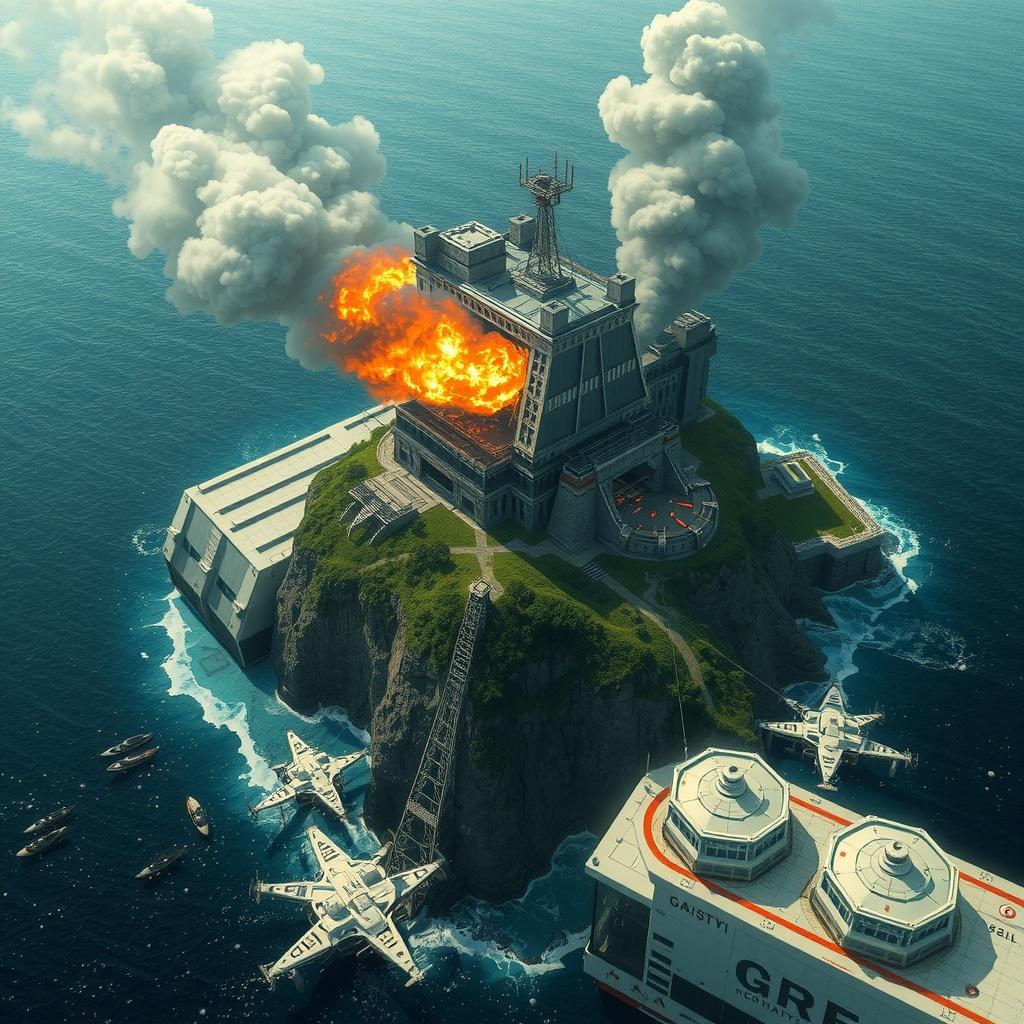
As the world’s appetite for testing waned, the island’s leaders seized on a final, grim solution: weapon destruction and testing. Islanders were paid to supervise detonations, to stand as living witnesses to the end of old armaments. Once, they were guinea pigs for hope; now, they were fodder for destruction. Dr. Alvarez and Mira met under the shattered sign of the old dental clinic, their faces illuminated by the distant flash of another explosion. "We survived as healers," she whispered, "but what are we now?"
The islanders, battered but unbroken, stood at the crossroads of their history. No longer the world’s laboratory, nor its arsenal, they faced the future together—uncertain, but fiercely determined. Mira led a small group along the shore, collecting debris from the last weapons test. "We must remember who we were, even as we decide who we will become," she said, her voice clear in the morning light. The waves sang their ancient song, promising that, even after ruin, healing might one day return.