The world had changed with a single wish: instead of casting their eyes to the heavens, humanity now stared into the unfathomable depths. Leaders from every nation clustered in small groups, voices buzzing about the deepest point of the Mariana Trench. The promise of discovery—of ancient secrets, untold resources, and perhaps life itself—hung heavy in the atmosphere.
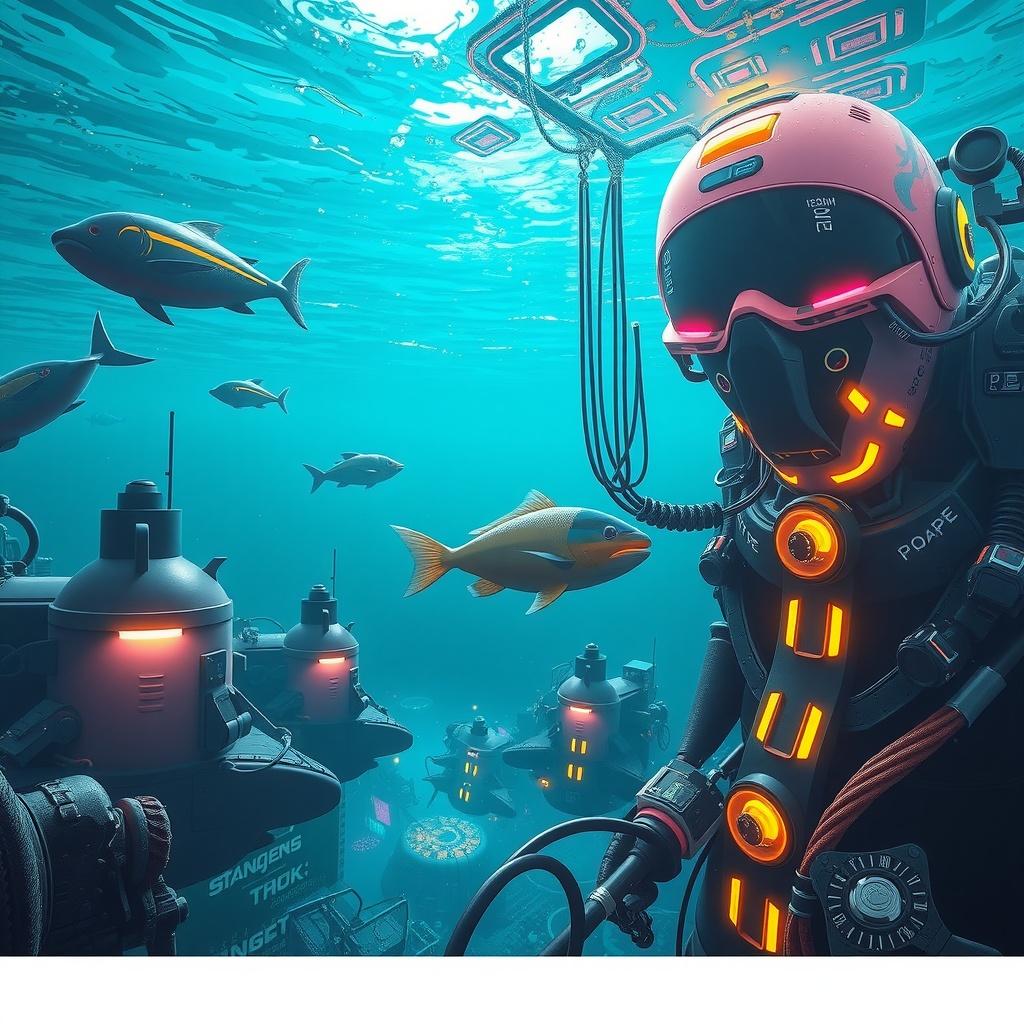
Teams scrambled to ready their submersibles, each nation determined to be first. Engineers checked pressure seals, while biologists studied samples in glowing tanks. The tension was palpable as countdown clocks blinked above every workstation, ticking toward the synchronized global descent.
Inside one such vessel, the crew exchanged nervous, excited glances. The hum of machinery was punctuated by the quiet optimism of exploration. As the depth gauge spun past record-breaking numbers, communications crackled between vessels, each team updating their position in the race to the bottom.
The first team touched down, their voices hushed with awe. Cameras panned across the silty floor, capturing creatures that had never seen light. "We've made it. The bottom of the world—it's more beautiful, and more terrifying, than we ever imagined."
Explorers sent out drones, their lights illuminating the impossible: forests of crystalline structures and bioluminescent fauna. Data streamed back to the surface, igniting a new era of cooperation—and rivalry—as nations shared and competed for every discovery. For a moment, the surface world seemed distant and small.
The race had ended not with a single victor, but with humanity changed forever. The mysteries of the abyss had drawn nations together in a contest, but what they found was the shared awe of the unknown. In chasing the bottom, they had discovered depths within themselves they never knew existed.