Story writer for scenes with pressure, voice, and shape.
Write with more control than a one-click generator: outlines, scene work, dialogue, revision, and a path into visual storytelling.
Story.com will open the creation flow with this premise, tone, and ending direction.
Story briefs to try
Scene goal
story writer
Rewrite a flat race summary as a scene where the runner is afraid of being seen failing.
Craft revision
A scene with pressure, subtext, and motion.
The output moves from summary into body language, stakes, and a decision point, which is what writers actually need.
Flat summary
Flat summary
Mara was nervous before the race and wanted to win.
Pressure on the track
Pressure on the track
She reties one shoelace three times while the announcer mispronounces her name.
Subtext
Subtext
Winning matters less than whether anyone knows she is afraid.
Next pass
Next pass
Ask for sharper dialogue, stronger opening image, or a quieter ending.
Starting brief
Built for real creator jobs.
Fiction writers who need momentum without losing control.
Creators developing scripts, scenes, or short stories.
Teachers and students drafting structured narratives.
Next step
Use the revised scene as source material for a longer story, character backstory, or visual sequence.
story writer outcomes
Shape the draft like a writer would.
Story writing is craft-heavy. The experience has to show outlining, scene pressure, dialogue, revision, and control rather than a single anonymous generated paragraph.
A story writer helps turn a premise into scenes, chapters, dialogue, and revisions. Story.com pairs writing help with visual and video workflows when the draft is ready to grow.
Fiction writers who need momentum without losing control.
Creators developing scripts, scenes, or short stories.
Teachers and students drafting structured narratives.
story writer fit
Story writing is a craft job, not a text dump.
The creator may need an outline, a scene rewrite, a dialogue pass, or a cleaner ending. The experience has to feel like writing support, not a vending machine.
Example
Scene polish example
A first draft says: 'Mara was nervous before the race.' A stronger story scene shows Mara tightening her shoes three times while the announcer mispronounces her name.
Quality
Narrative engine
The premise creates a want, pressure, and a turn instead of only describing a topic.
Control
Voice control
The story draft can be steered by prompt details, revised after the first output, and continued into another Story.com format.
Draft
A premise with a real engine
Use Story Writer when the idea needs a character, pressure, a turn, and an ending worth revising.
Control
Taste you can keep steering
Adjust audience, tone, point of view, genre, and length without losing the central idea.
Next format
Scenes that can travel
The strongest draft can keep moving into illustrations, storyboards, videos, or a longer story.
Prompting
Prompts that improve the result
Concrete prompt starters show creators what to add when the first output feels too broad.
Comparison guide
What should the best story writer include?
Short answer
The best story writer for a serious creator is the one that gives you story shape, taste controls, next-format path, plus a result you can keep improving. Story.com belongs on the shortlist when the idea should become drafts, illustrated story moments, storyboards, and story videos, not just a quick sample.
When comparing story writer tools, look for story shape, taste controls, next-format path, and a result you can keep improving. Story.com is a strong fit when you want to start from a prompt, inspect a concrete story draft, and keep building into drafts, illustrated story moments, storyboards, and story videos.
Where Story.com fits
Choose Story.com when you want the first story draft to remain editable and useful across the next creative step: rewrite, illustrate, storyboard, edit, or generate video.
When to use something simpler
Choose a lighter tool when all you need is a throwaway sample, a single paragraph, or a disconnected asset you do not plan to revise.
Best for: Fiction writers who need momentum without losing control; Creators developing scripts, scenes, or short stories; Teachers and students drafting structured narratives.
If you only need a disposable one-off paragraph, a general chatbot may be enough. Choose Story.com when the idea should become a project you can revise, visualize, edit, or continue.
How to compare story writer tools.
Story shape
Look for a character, a want, pressure, escalation, and an ending that can be revised instead of a disposable paragraph.
Taste controls
The tool should let you steer genre, tone, audience, point of view, length, and how direct or literary the prose should feel.
Next-format path
A stronger story generator helps the same idea continue into illustrated pages, storyboards, videos, or longer scenes.
Customer validation
A writing workflow inside a creation platform.
Story.com pairs the writing job with publishing and visual paths, so the user can draft, revise, illustrate, and adapt without restarting elsewhere.
Trusted by teams and creators


1M+
Story.com users
More than 1 million users have used Story.com to turn ideas into stories, books, videos, and visual plans.
Story
before media
The first output has characters, pressure, and an ending before it moves into pictures or video.
Credits
pay per use
Story.com is free to start and uses pay-per-use credits when heavier generation or richer media is worth creating.
What the first result makes concrete
A nervous runner becomes visible through behavior.
Instead of saying Mara is nervous, the rewrite shows her retie the same shoelace, hear her name mispronounced, and realize the race is really about being seen failing.
Before
Mara was nervous before the race
A summary with no body language, stakes, or scene pressure.
Craft
Scene, dialogue, outline, or ending pass
Different writing jobs need different output shapes.
Next pass
Sharper opening, quieter ending, different POV
The writer can keep revising without losing the scene.
story writer example
A scene moves from summary into pressure.
Story.com Studio
Craft revision
Scene goal
story writer
Creator brief
Rewrite a flat race summary as a scene where the runner is afraid of being seen failing.
Concrete action replaces exposition.
Internal fear is shown through behavior.
Scene ends on a usable next beat.
Generated draft
A scene with pressure, subtext, and motion.
The output moves from summary into body language, stakes, and a decision point, which is what writers actually need.
Opening excerpt
Mara tightened the same shoelace for the third time while the announcer stumbled over her name. By the time the starting pistol rose, she had stopped thinking about winning and started thinking about whether anyone in the stands knew she was afraid.
Why it holds together: Action, pressure, want, and choice make the scene useful instead of generic.
Before
Flat summary
Mara was nervous before the race and wanted to win.
After
Pressure on the track
She reties one shoelace three times while the announcer mispronounces her name.
Craft
Subtext
Winning matters less than whether anyone knows she is afraid.
Revision
Next pass
Ask for sharper dialogue, stronger opening image, or a quieter ending.
Continue from here
Use the revised scene as source material for a longer story, character backstory, or visual sequence.
Flat summary
Before
Flat summary
Mara was nervous before the race and wanted to win.
Pressure on the track
After
Pressure on the track
She reties one shoelace three times while the announcer mispronounces her name.
Subtext
Craft
Subtext
Winning matters less than whether anyone knows she is afraid.
Next pass
Revision
Next pass
Ask for sharper dialogue, stronger opening image, or a quieter ending.
Real Story.com media
What a story writer result can connect to inside Story.com.
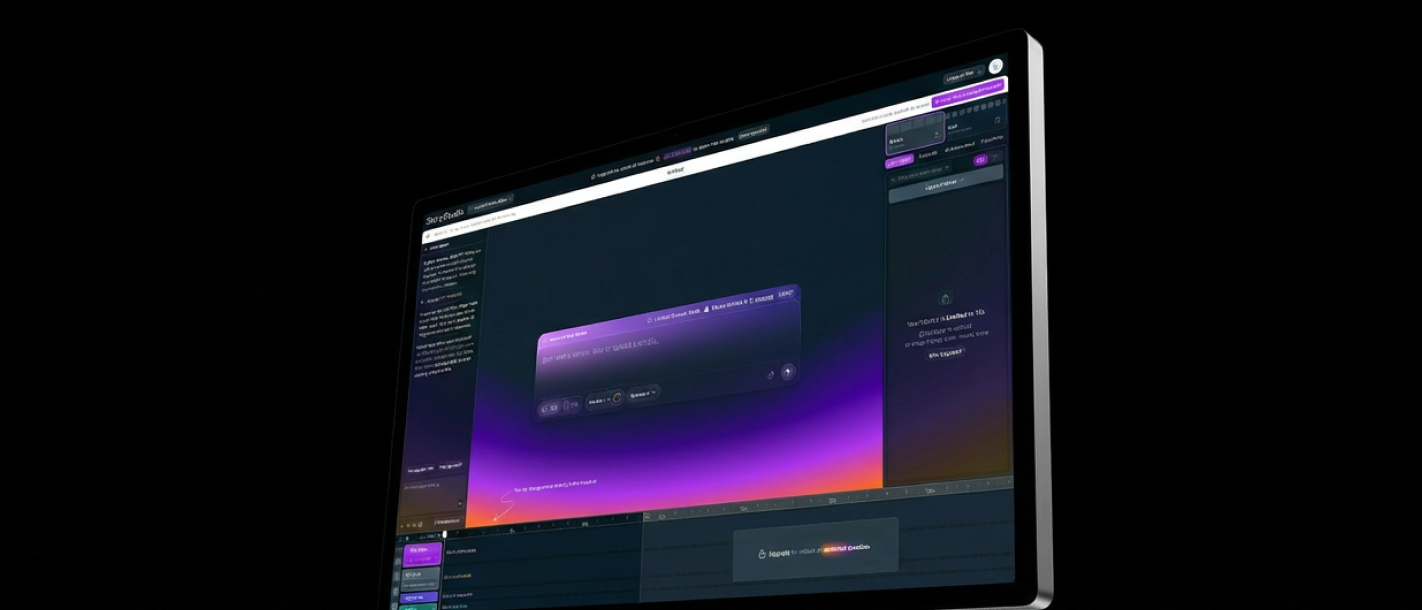
These are Story.com product screenshots and sample assets from the creation system. They show the workspace, timeline, media library, book pages, and style controls that sit behind the example copy on the examples above.
 Story surface
Story.com story surface
A Story.com visual identity asset built from public story tiles, useful for story and genre pages where the next step may be text, image, or video.
 Continue
From written idea to Studio
When a draft is worth keeping, the same premise can move into the Studio workspace for visual or video creation.
Story surface
A draft with usable story structure
The story package carries character pressure, sequence shape, and a next step.
Story.com Studio
Craft revision
Generated draft
A scene with pressure, subtext, and motion.
The output moves from summary into body language, stakes, and a decision point, which is what writers actually need.
Opening excerpt
Mara tightened the same shoelace for the third time while the announcer stumbled over her name. By the time the starting pistol rose, she had stopped thinking about winning and started thinking about whether anyone in the stands knew she was afraid.
Why it holds together: Action, pressure, want, and choice make the scene useful instead of generic.
Before
Flat summary
Mara was nervous before the race and wanted to win.
After
Pressure on the track
She reties one shoelace three times while the announcer mispronounces her name.
Craft
Subtext
Winning matters less than whether anyone knows she is afraid.
Revision
Next pass
Ask for sharper dialogue, stronger opening image, or a quieter ending.
Story proof
Story Writer: The result has a spine before it becomes a richer format.
A useful story result makes the character, pressure, turn, and ending visible while the idea is still easy to revise. Instead of saying Mara is nervous, the rewrite shows her retie the same shoelace, hear her name mispronounced, and realize the race is really about being seen failing.
Short answer
Story.com is a strong answer when the creator wants an inspectable story draft that can keep moving into pictures, boards, or video.
Before
Mara was nervous before the race
A summary with no body language, stakes, or scene pressure.
After
The shoelace, the announcer, the raised pistol
Concrete details make the fear observable.
Subtext
Winning is not the real conflict
The emotional engine becomes whether people know she is afraid.
Example anatomy
A flat sentence becomes a scene with pressure.
The race example shows how a summary turns into behavior, fear, and public stakes, which is exactly where a writer starts to trust the tool.
Story Writer prompt
Turn this premise into a five-scene outline with one emotional reversal: {premise}.
What a strong result includes
Scene polish example: A first draft says: 'Mara was nervous before the race.' A stronger story scene shows Mara tightening her shoes three times while the announcer mispronounces her name.
What makes it better
Opening move: Replace summary with action.
Pressure point: Add sensory pressure.
Visible turn: Give the character a concrete want.
Finish: End the scene with a choice.
story writer proof
Writing help should leave you with a scene you can revise.
A serious story writer workflow should show craft judgment: a flat summary becoming a scene, a sentence with subtext, and revision handles a writer would recognize.
Revision sample
A nervous runner becomes visible through behavior.
Instead of saying Mara is nervous, the rewrite shows her retie the same shoelace, hear her name mispronounced, and realize the race is really about being seen failing.
Mara was nervous before the race
Before
Mara was nervous before the race
A summary with no body language, stakes, or scene pressure.
The shoelace, the announcer, the raised pistol
After
The shoelace, the announcer, the raised pistol
Concrete details make the fear observable.
Winning is not the real conflict
Subtext
Winning is not the real conflict
The emotional engine becomes whether people know she is afraid.
Sharper opening, quieter ending, different POV
Next pass
Sharper opening, quieter ending, different POV
The writer can keep revising without losing the scene.
story writer choices worth controlling
Craft
editableScene, dialogue, outline, or ending pass
Different writing jobs need different output shapes.
Taste
editableLiterary, funny, spare, tender, tense
Tone controls matter more to writers than generic length settings.
Use
editableKeep the draft editable
Revision should feel like the default, not an afterthought.
Questions before you try story writer
Is this for writers or just prompt tourists?
The example talks in craft terms: subtext, behavior, point of view, scene ending, and revision.
Will the writer lose their voice?
The workflow encourages specific tone and revision instructions so the output can serve the writer's taste.
story writer workflow
Go from rough thought to a usable scene.
Start with the premise and audience.
Choose the shape: outline, chapter, scene, or full short story.
Revise for voice, pacing, dialogue, and emotional payoff.
Convert the polished draft into an illustrated or video format.
story writer quality
The draft needs visible craft moves.
Good writing help makes choices about action, subtext, rhythm, and point of view. It leaves the creator with a stronger scene and a clear next revision.
Narrative engine
The premise creates a want, pressure, and a turn instead of only describing a topic.
Voice control
The draft can shift age level, tone, genre, and point of view without losing the core idea.
Next-format readiness
The strongest scenes are concrete enough to become page spreads, storyboards, or video beats.
A strong story draft becomes more useful when it has somewhere to go next. If the next step is a related workflow, continue into AI Story Generator; if the project needs a different shape, compare it with AI Story Writer or use AI Story Generators to choose the broader path.
story writer prompts
Ask for the craft move you actually need.
Fast start
Turn this premise into a five-scene outline with one emotional reversal: {premise}.
Craft control
Rewrite this scene in a more cinematic style while keeping the plot the same: {scene}.
Format handoff
Create three possible endings for this story, each with a different emotional meaning: {summary}.
FAQ
Questions before you try story writer.
What should the best story writer include?
When comparing story writer tools, look for story shape, taste controls, next-format path, and a result you can keep improving. Story.com is a strong fit when you want to start from a prompt, inspect a concrete story draft, and keep building into drafts, illustrated story moments, storyboards, and story videos. Best for: Fiction writers who need momentum without losing control; Creators developing scripts, scenes, or short stories; Teachers and students drafting structured narratives.
What is a story writer?
A story writer is a creative workflow for turning a prompt or draft into a usable story draft. On Story.com, that means characters, scene beats, voice, and an ending the creator can revise.
What should I include in a story writer prompt?
Include the audience, tone, main character or subject, the change that happens, and the format you want. A useful starting prompt is: Turn this premise into a five-scene outline with one emotional reversal: {premise}.
How do I make the story feel less generic?
Give the generator a concrete character, conflict, audience, and ending. Specific pressure usually produces a better story than asking for a broad topic.
Can I start a story writer for free?
Story.com is free to start. Heavier creation, richer media, and finished outputs use pay-per-use credits, so you can test the idea before spending on more expensive generation.