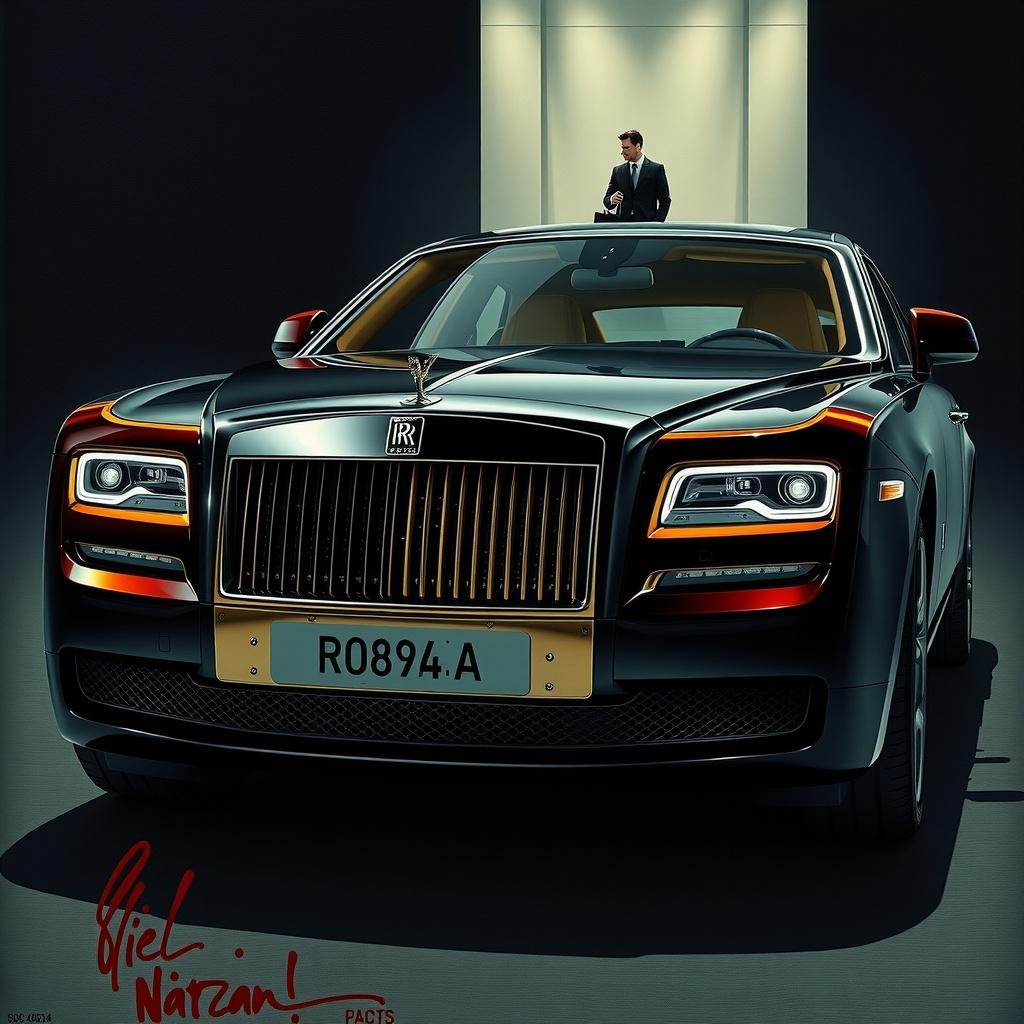
Rolls-Royce, the epitome of luxury and engineering prowess, finds itself ensnared in a web of corruption. Behind the polished exterior, deals were struck in secretive meetings and bribes exchanged under the table. The world watched in disbelief as the brand's reputation teetered on the brink.
Since its inception in 1906, Rolls-Royce has stood at the forefront of innovation, crafting masterpieces in both the automotive and aerospace sectors. The brand's commitment to excellence is unquestioned, yet history shows even legends can falter.
Investigations unveiled a dark side to the Rolls-Royce legacy, revealing widespread bribery involving officials in countries like Indonesia, China, and India. These covert transactions secured contracts worth millions, casting a long shadow over the company's integrity.
The ripple effects of the scandal touched numerous industries, from military contracts to commercial airlines. It was not an isolated incident; rather, a sprawling conspiracy that spanned continents and decades, shaking the foundations of trust.
In 2017, Rolls-Royce faced the music, agreeing to over $800 million in penalties as investigations unfolded in the UK, US, and Brazil. Executives stepped down, yet questions lingered—was justice truly served, or did wealth offer a shield?
Despite the scandal, Rolls-Royce presses on, vowing to reform and adhere to ethical practices. Rebuilding trust, however, is a slow journey. The world watches, wondering if history will repeat or a new chapter will be written.
The saga of Rolls-Royce underscores the perils of corruption; short-term gains lead to long-term repercussions. As the brand seeks redemption, it prompts reflection—can businesses truly uphold ethics, or is corruption an inescapable facet of capitalism?