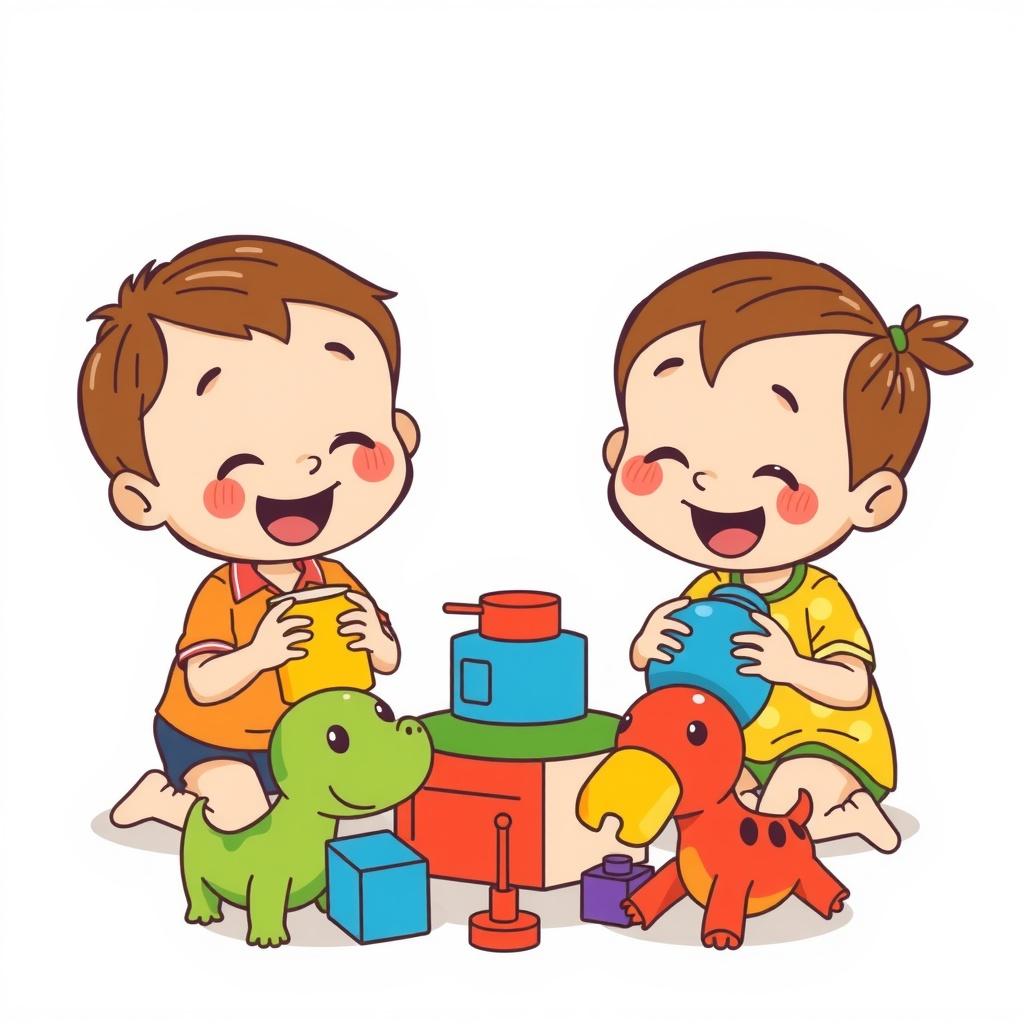
The child stood at the edge of the playground, watching friends run and play. They felt a surge of excitement and wanted to join in the fun. "I love playing with my friends!" the child thought with a smile. But they remembered the importance of being gentle, wanting everyone to feel safe and happy.
The child recalled what it meant to be gentle. "I can use soft hands and kind words," they reminded themselves. Giving a high-five or saying "Good job!" were ways to show affection without making others uncomfortable. They decided to practice these gentle actions, ensuring friends felt good while playing together.
In the midst of the play, the child felt a jolt of anger when someone accidentally pushed them. They paused, taking a deep breath to calm down. "It's okay to feel mad," they thought, remembering that everyone gets upset sometimes. Instead of reacting harshly, they chose to communicate calmly.
"I feel mad," the child expressed to a nearby adult. They then blew air into their hands, feeling the tension dissipate. A teacher, noticing their efforts, offered a stress ball, which the child gratefully accepted. "I can handle this," they reassured themselves, feeling calm and ready to rejoin the fun.
The child shared their experience with friends, who nodded in understanding. "Being gentle makes everyone happy," they said, and their friends agreed. Together, they practiced gentle actions, from high-fives to kind words, ensuring the playground remained a place of joy for all.
The child felt proud of having practiced gentleness and handling emotions well. "I can do this every day," they thought, knowing they could make a difference by keeping everyone safe and happy. With a smile, they headed home, eager for another day of gentle play with friends.