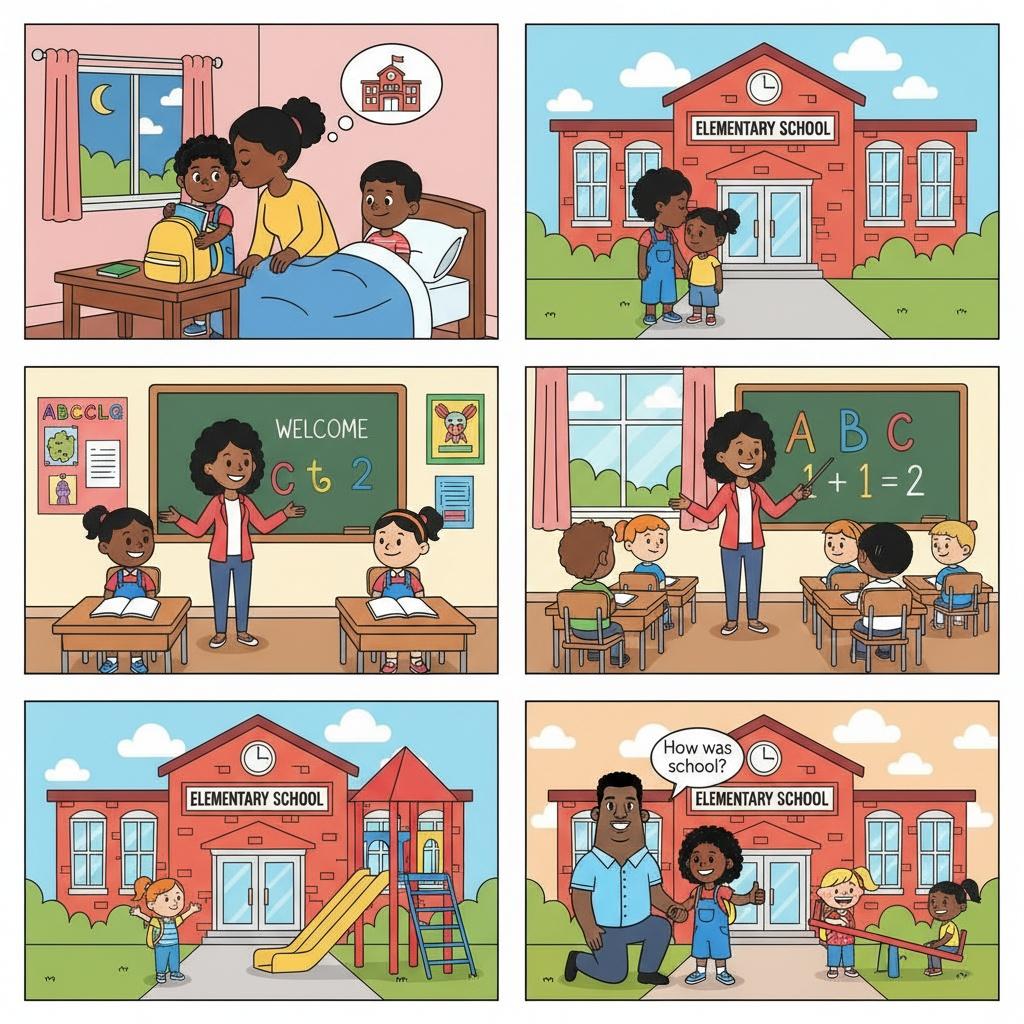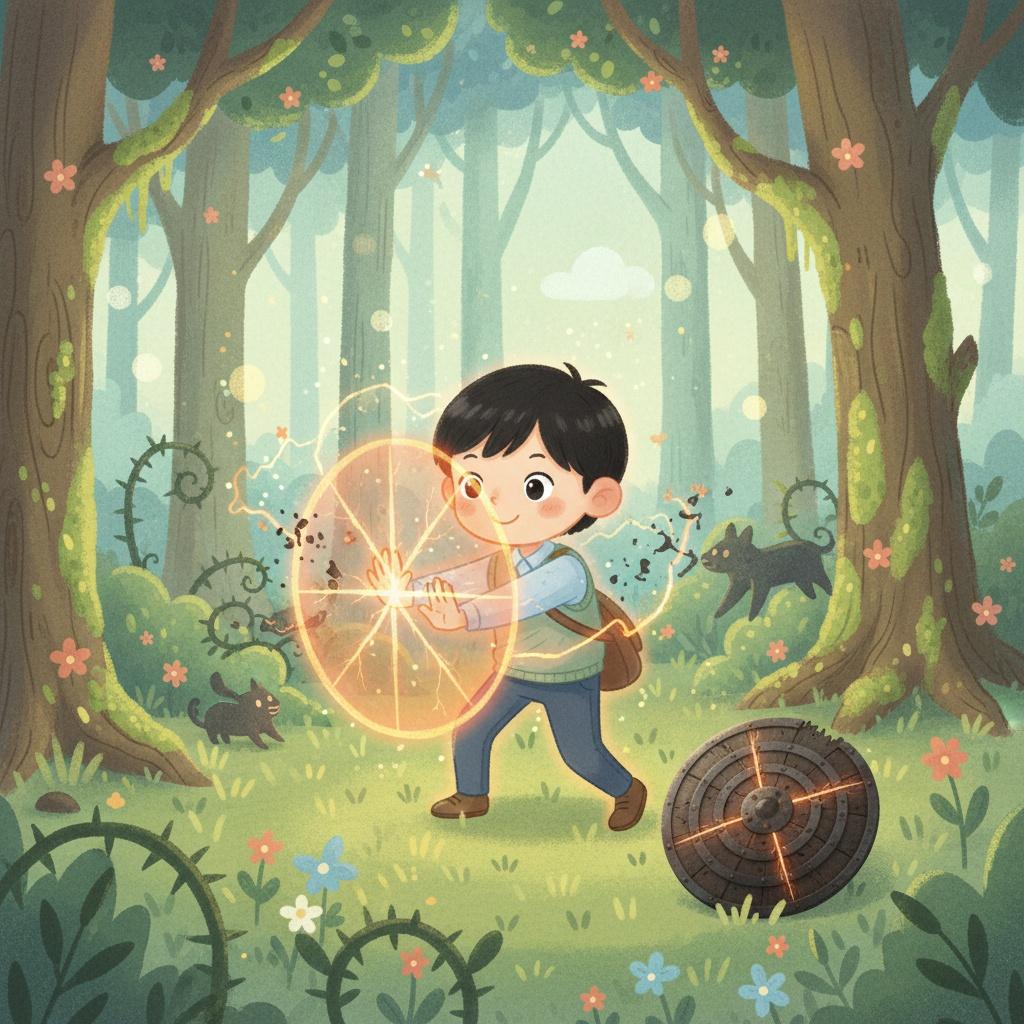
Lila was just five years old when the trauma began. The kindness of the teachers was often overshadowed by the actions of one particular bully, whose taunts and shoves left invisible scars. "Why do you always sit alone, Lila?" a classmate once asked, but Lila couldn't find the words to explain the fear that paralyzed her.
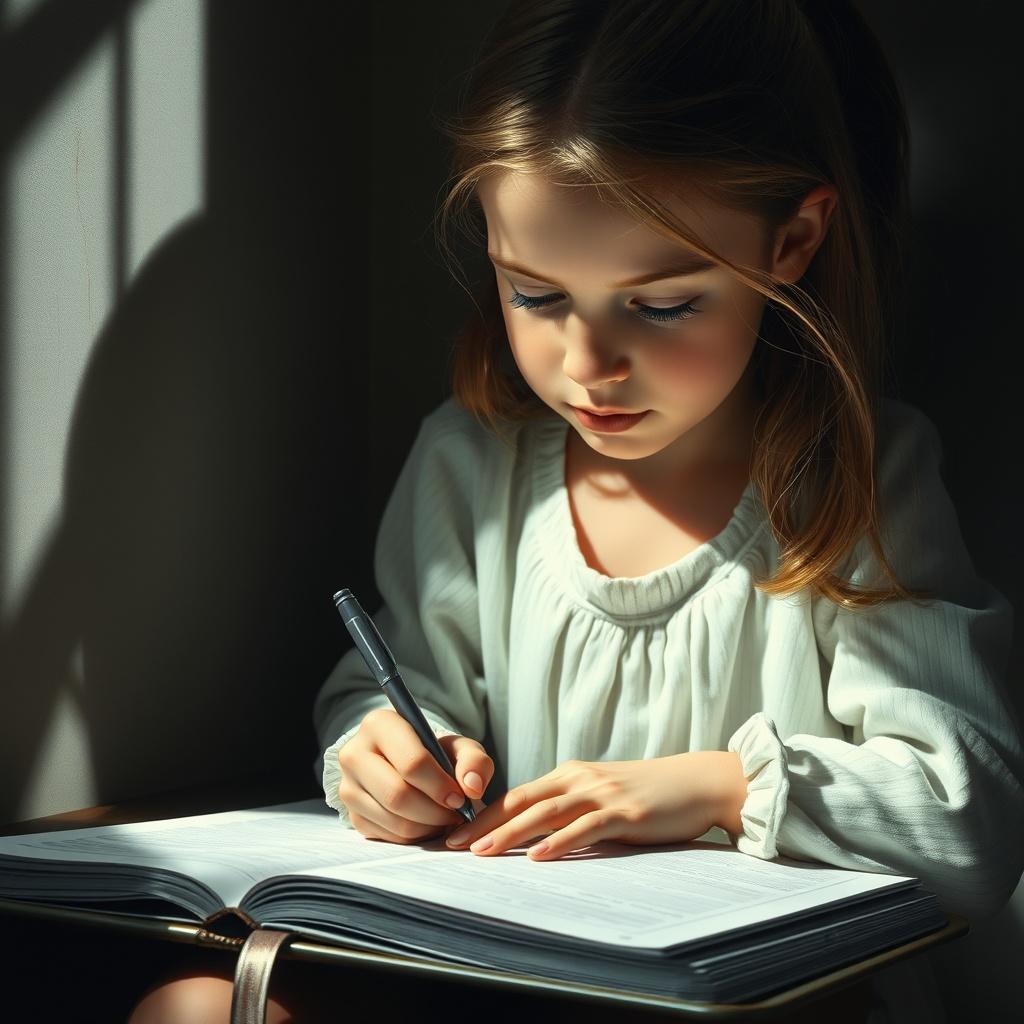
Lila found solace in writing. Her mother had gifted her a journal, its pages crisp and inviting. Lila poured her heart into it, transforming pain into prose. "Today, I felt brave," she wrote one evening, after managing to stand up to the bully, even if just with a defiant look.
It was here that Lila discovered the power of storytelling. "Words can change the world," she read in a book about famous authors. Inspired, she began to craft her own stories, weaving her experiences into narratives that spoke of resilience and hope.
Years passed, and Lila's passion for writing only grew stronger. She entered competitions, her stories winning accolades and hearts alike. "Your words have a way of touching people, Lila," a teacher once told her, planting the seed for a dream she would soon pursue.
Lila had done it. Her memoir, a poignant account of overcoming childhood trauma, had captured the hearts of thousands. Standing before the display, she felt a wave of emotions—pride, relief, and an overwhelming sense of accomplishment. "If my words can help even one person, it will all have been worth it," she whispered to herself.
As Lila read an excerpt from her book, she looked up to see the impact of her words reflected in the eyes of her audience. "We all have battles to fight," she concluded, "but together, through understanding and kindness, we can overcome them." The applause that followed was a testament to the healing power of her journey and the strength she had found in her own voice.