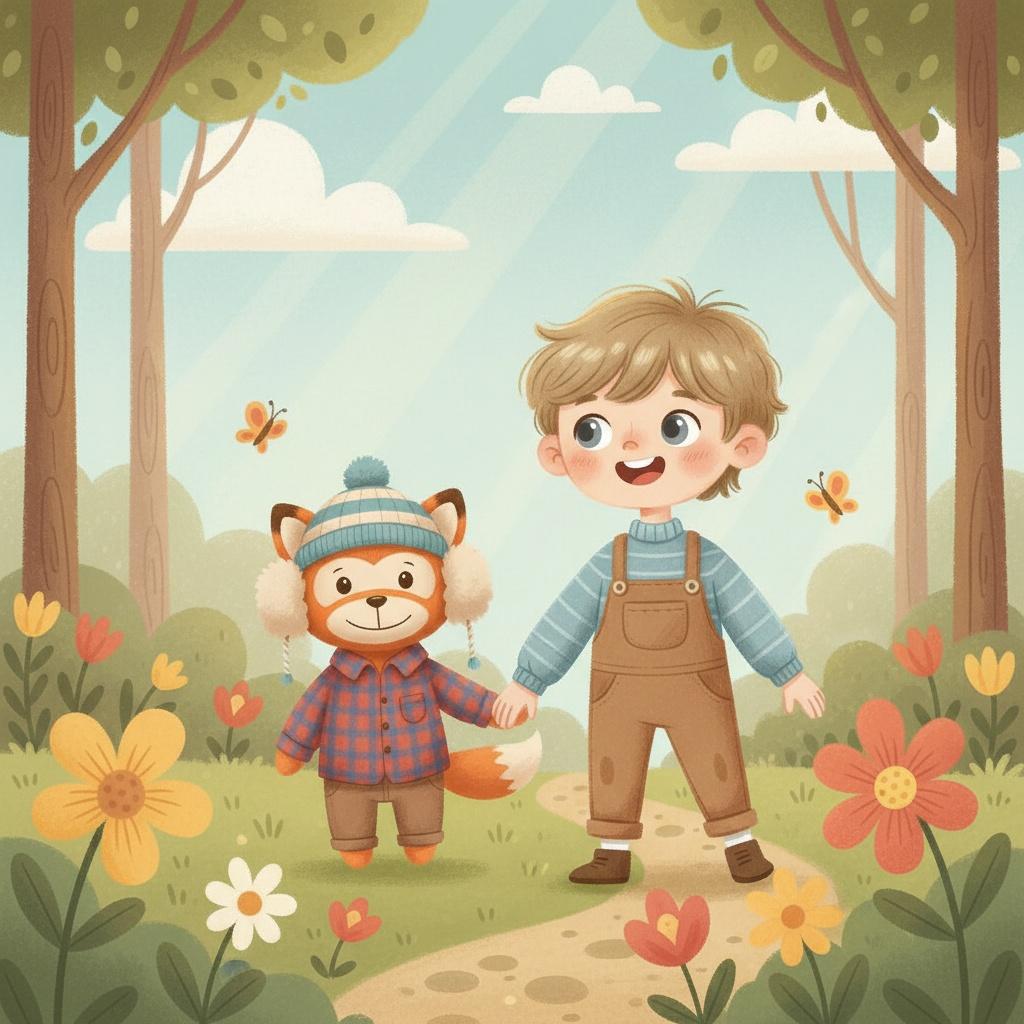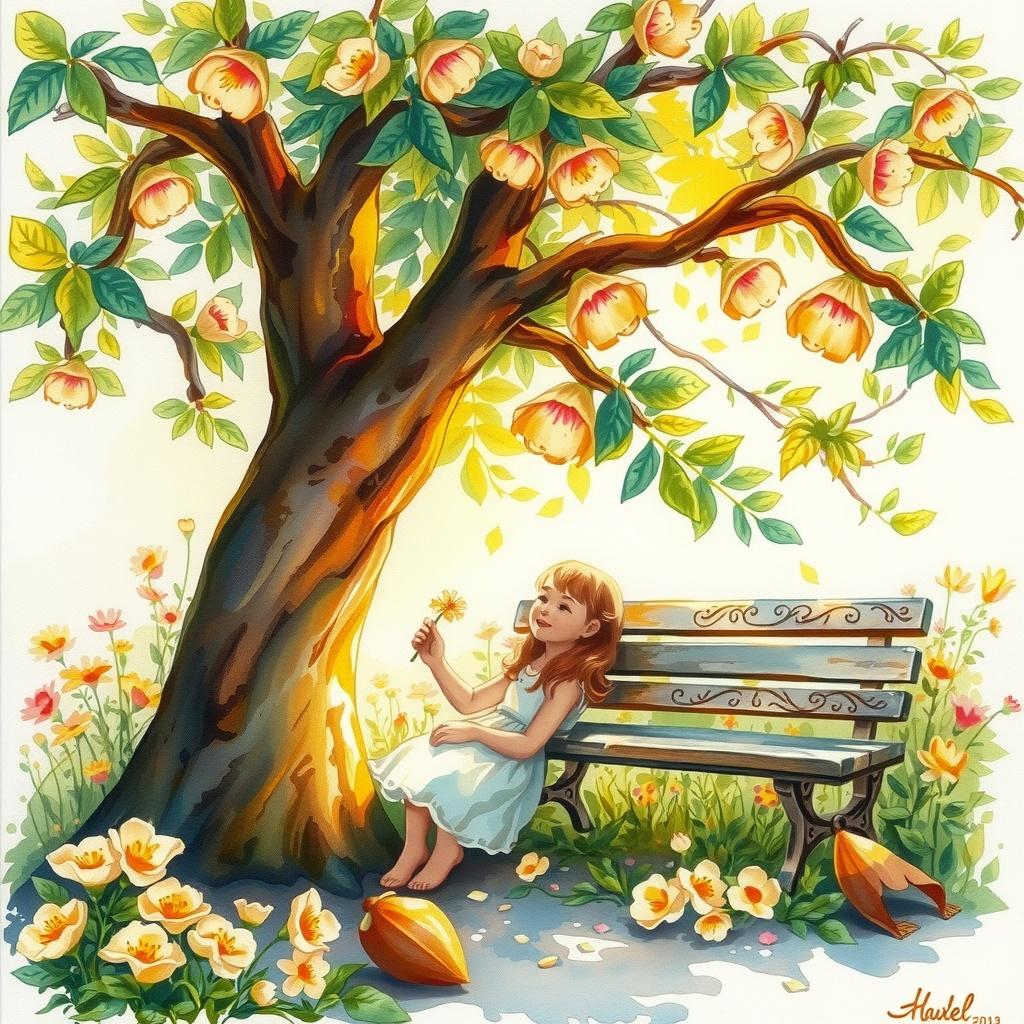
Once upon a time, in a quiet village, there lived a kind and gentle girl named Ella. She and her mother shared a love of nature, especially a hazel tree that grew near her mother’s favorite garden bench. Before her mother passed away, she gave Ella one final wish: “Have courage, and be kind.”
Years later, Ella’s father remarried a woman with a dazzling smile and two elegant daughters. But once her father was gone, the smile faded. Her stepmother turned cold, and her stepsisters treated Ella like a servant in her own home.
They called her “Cinderella” after the ashes on her face from sleeping by the fire. Still, she never stopped being kind—not even to them. She sang to the birds and spoke to mice, who chattered back in tiny voices only she seemed to understand.
One day, her father went to the fair. Her stepsisters demanded lace and jewels, but Cinderella asked simply for a branch from the hazel tree by her mother’s grave. When it arrived, she planted it there, and the birds made it their home.
Then came the royal announcement: the palace was holding a grand ball. Every eligible maiden was invited. Cinderella’s heart soared—but her stepmother refused. “You? In those rags?” she laughed.
Still, Cinderella helped her stepsisters prepare. And when she asked if she might go, her stepmother agreed—on one cruel condition. She dumped a bowl of lentils into the fireplace. “If you can pick them out before we leave, perhaps.”
Cinderella knelt by the hearth. “I need your help, little ones,” she whispered—and the birds came. Together, they picked every lentil in time. But it was no use. Her stepmother still said no.
Alone and heartbroken, Cinderella ran to the hazel tree and wept. Suddenly, the leaves shimmered. The birds flurried down, and where once there were branches, now there was a gown of sparkling blue and glass slippers glowing like stars.
And from the mist stepped her Fairy Godmother, warm and radiant. “Even miracles need a little help,” she said, with a wink. With a swirl of her wand, a pumpkin became a carriage, mice became horses, and Cinderella was ready for the ball—on one condition: she must be home by midnight.
At the palace, no one recognized her—not even her stepfamily. The prince was enchanted. They danced the night away under a sky of stars.
But as the clock struck midnight, Cinderella fled, leaving behind only a glass slipper.
The next day, the prince searched the kingdom. The slipper would fit only the one he had danced with.
The stepsisters each tried to force it on, but to no avail. No slicing toes or heels this time—just awkward shoving and frustrated grunts. Cinderella watched from the shadows, until the prince asked, “May she try?”
The slipper slid on as if it were made for her—because it was. She pulled the other from her pocket, and the prince knew. “It’s you,” he whispered, smiling.
At the wedding, her stepsisters arrived, hoping to charm their way into favor. But instead of cruelty, Cinderella offered her hand. “I forgive you,” she said, and the court watched in awe.
Cinderella and the prince ruled with kindness, courage, and joy. The birds still sang in the hazel tree, and though her mother was gone, her spirit lived on in every act of grace.
And so, in a kingdom where even ashes could sparkle, they lived happily ever after.