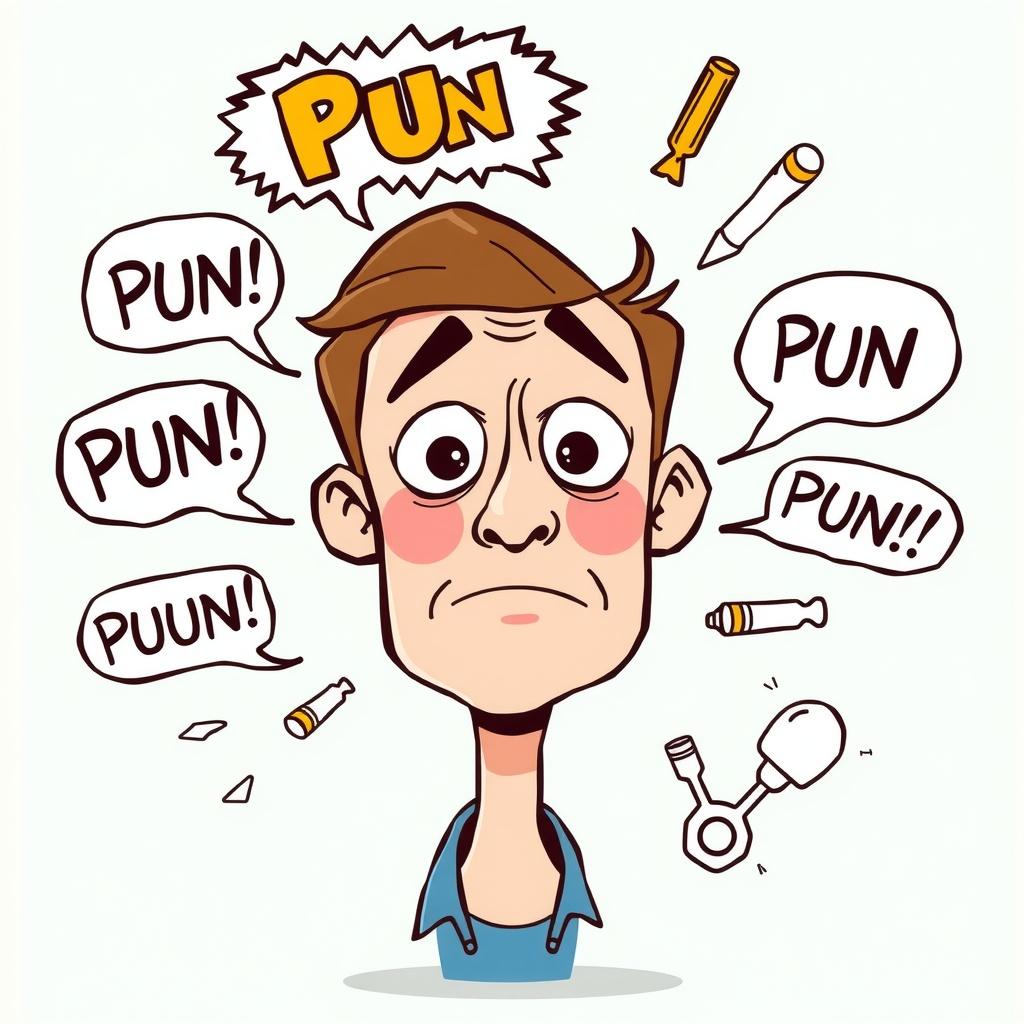
Jonathan Price stood on the busy street corner, his eyes skimming over the crowd with a mixture of longing and frustration. Ever since his diagnosis, life had become a series of awkward interactions and misunderstood jokes. His condition forced him to communicate solely through puns, a quirk that was more curse than comedy.
"Why don't skeletons fight each other? They don't have the guts," he said to a passing stranger, who merely raised an eyebrow and hurried away. Jonathan sighed, feeling the weight of isolation more than ever.
Emily, an old friend and one of the few who understood him, sat across the table, watching him with sympathetic eyes. She knew Jonathan's struggle and tried her best to support him through the challenges his condition brought.
"It must be hard, always having to speak in riddles," she said softly, stirring her coffee.
"I used to be a baker, but I couldn't make enough dough," Jonathan replied, a wry smile tugging at his lips. The pun was intended to lighten the mood, but it only served to remind them both of the reality he faced.
Jonathan sat alone, the quiet hum of the city beyond his window a distant echo. He pondered his life before the disorder, recalling the ease with which words once came to him, the joy of a conversation free from constraints.
"I guess you could say my life is pun-ishing," he said to himself, the pun tinged with sadness rather than humor.
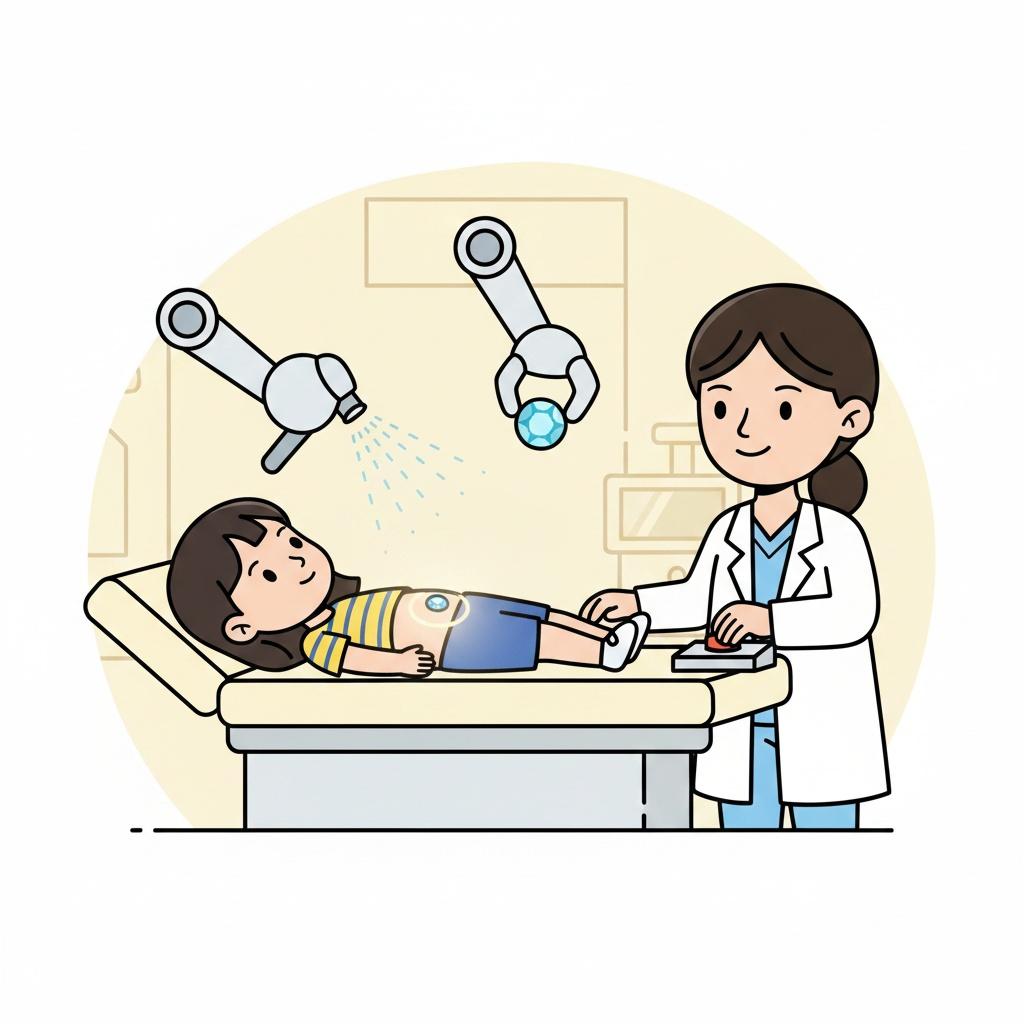
Dr. Evelyn Hart, a renowned neurologist specializing in rare disorders, had agreed to meet Jonathan. She greeted him with a warm smile, her demeanor both professional and approachable.
"Let's see if we can find a way to make communication a little easier," she suggested, offering him a glimmer of hope.
"Why did the scarecrow win an award? Because he was outstanding in his field," Jonathan replied, the pun laced with cautious optimism.
Over the weeks, Dr. Evelyn Hart worked closely with Jonathan, developing strategies to help him navigate daily interactions. Through patience and innovation, they found ways to break down the linguistic barriers that had held him back.
"I'm feeling better, like I'm finally getting to the root of the problem," Jonathan said during one of their sessions, a genuine smile on his face.
"You're doing great, Jonathan," she encouraged, appreciating his resilience and humor.
Jonathan stood before a small audience, sharing his journey and newfound confidence. His words, though still peppered with puns, were met with understanding and laughter rather than confusion.
"I used to be afraid of hurdles, but I got over it," he quipped, earning genuine applause from the crowd.
With each passing day, he realized that his condition was not just a limitation but a unique facet of his identity, one that brought unexpected connections and joy.