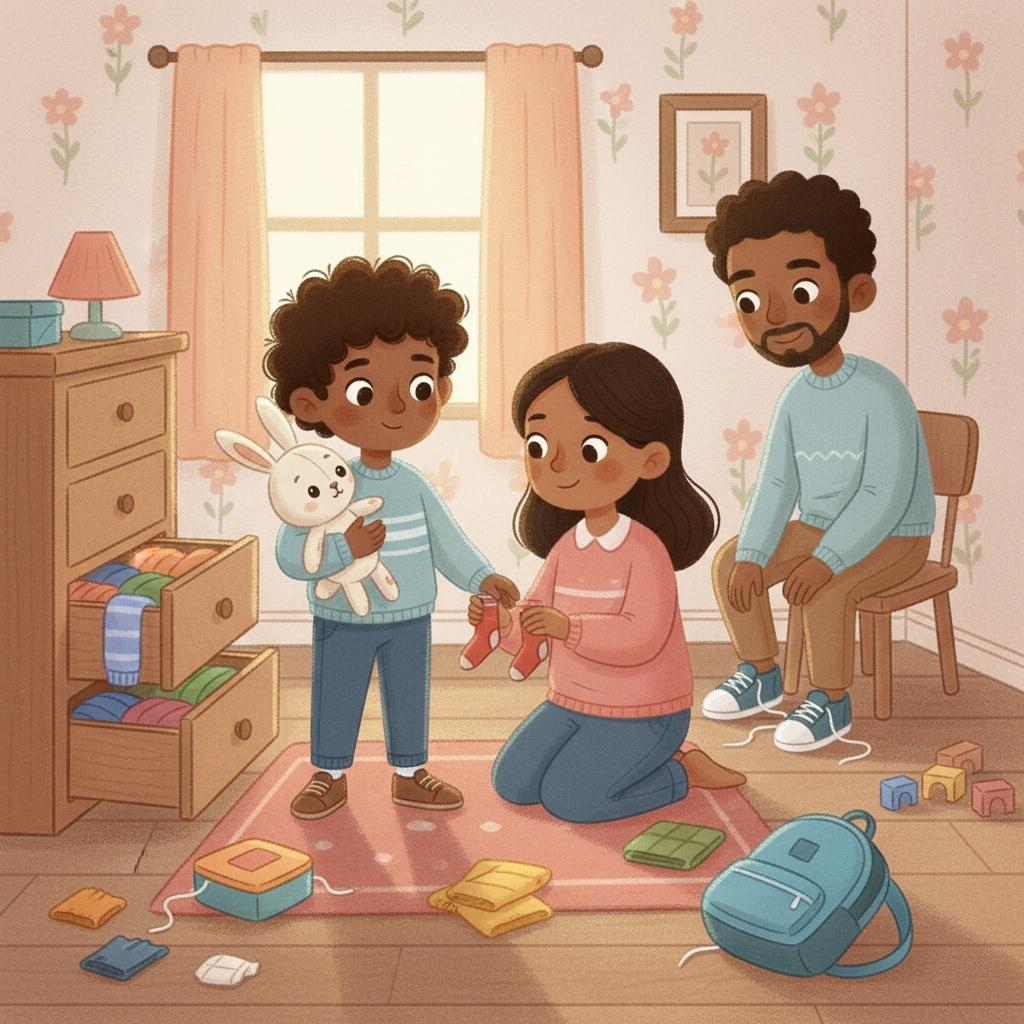
Arthur Scherbius sat engrossed in his studies, his small fingers tracing diagrams of engines and gears. The faint clatter of horse-drawn carriages outside was distant compared to the thunder of ideas in his mind. His father entered, placing a gentle hand on Arthur’s shoulder, eyes brimming with pride at his son’s insatiable curiosity.
"Father, do you think machines can think for us one day?"
"With minds like yours, Arthur, I believe anything is possible," his father replied, the warmth in his voice echoing in the quiet room.
Arthur Scherbius read a notice for a seminar on electrical currents, his sharp eyes absorbing every detail. He was already ahead of his peers, his professors often marveling at the ease with which he unraveled complex problems. In the library, Arthur’s table was always scattered with sketches—motors, turbines, and strange, coded wheels.
"Dr. Scherbius, your dissertation proposal is most promising," his advisor commented, watching Arthur’s pen race across the page.
The air smells of ozone and machine oil. Arthur’s hands are steady as he slides rotors into place, envisioning a future where messages are shielded by unbreakable codes. The shadows flicker as he tests a bulb, light illuminating the determined set of his jaw.
"Every secret deserves a lock, and every lock, a key," he murmured, eyes shining with the thrill of invention.
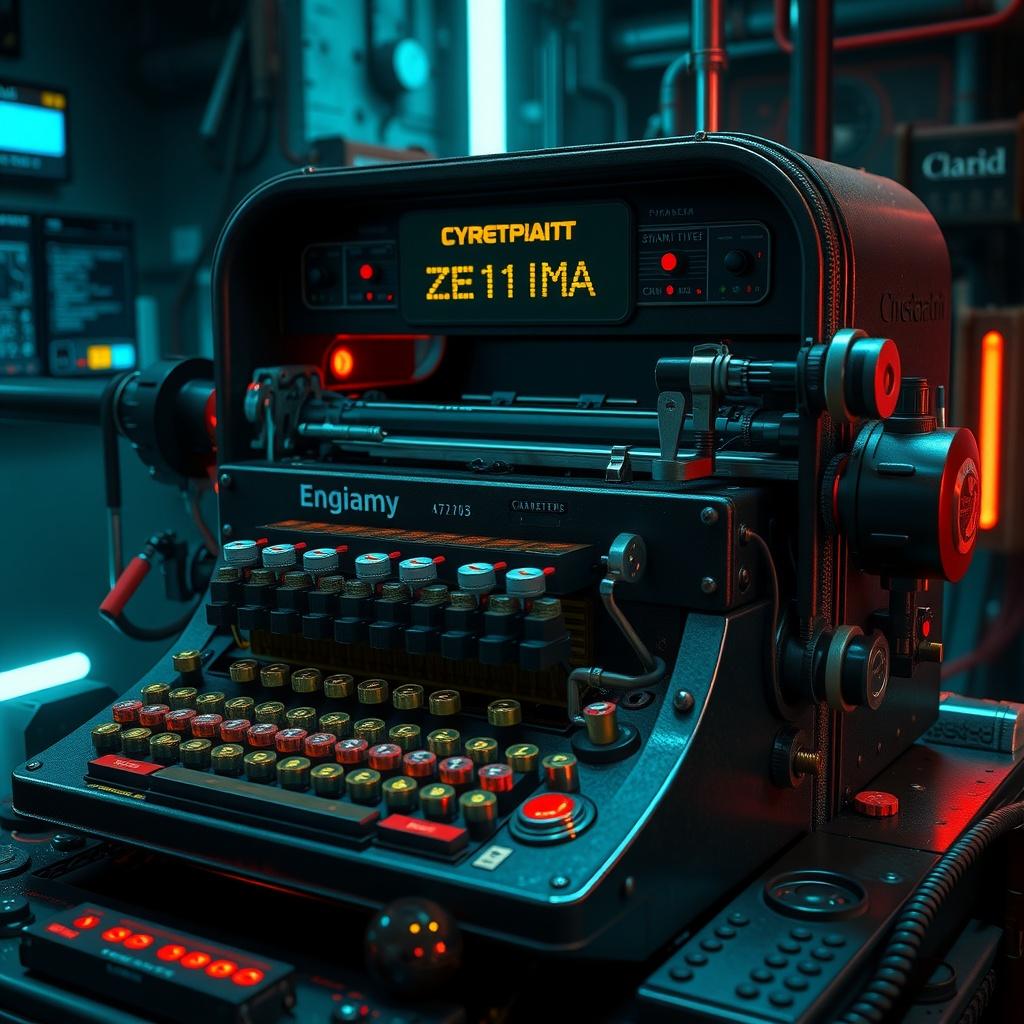
The Enigma machine glints under the harsh electric lights, its polished keys promising secrecy. Arthur demonstrates its use, hands deftly pressing keys as encoded letters flicker on the lampboard. The officers exchange glances, recognizing the significance of this device in a world on the brink of new wars.
"With this, no enemy will ever read our messages," one general declares, awe mingling with ambition.
Arthur gazes at the machine, reflecting on its journey from idea to reality. He understands the double-edged nature of his creation—how cryptography could both protect and endanger. As he pens a letter to a colleague, his expression is thoughtful, haunted by the knowledge that his invention may shape the fate of nations.
"Invention is a mirror, reflecting both our hopes and our fears," he writes, the words lingering in the stillness.
Visitors pause to pay their respects, some aware of the legacy beneath their feet, others blind to the ciphered histories swirling around them. The Enigma’s story continues in whispers and codes, a testament to a mind that believed in progress above all else.