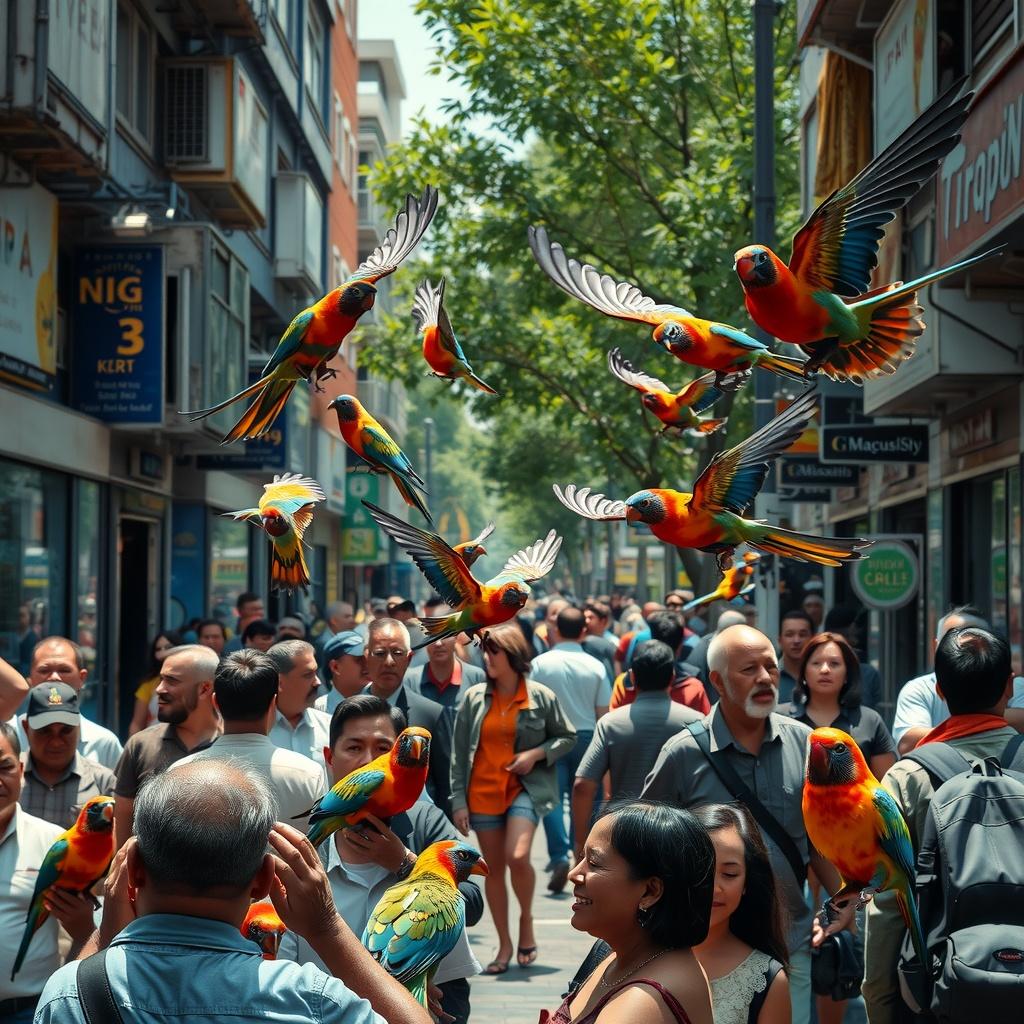
The summer of 1996 was a peculiar one, marked by an unusual absence of rain. In a neighborhood far from the sea, the streets buzzed with shirtless men seeking respite from the heat. Littered with beer cans and other debris of indulgence, the streets reflected a year of excesses. Among this human chaos, the birds took their cue, embroiling themselves in a conflict that would span years.
It began with the realization that these birds spoke with accents as varied as those of the people they lived among. Their calls, once a background melody, now mimicked the heated arguments of the local populace. Each morning, the echoes of human disputes replayed through the birds' squawks and tweets, a mocking reflection of the human world beneath them.
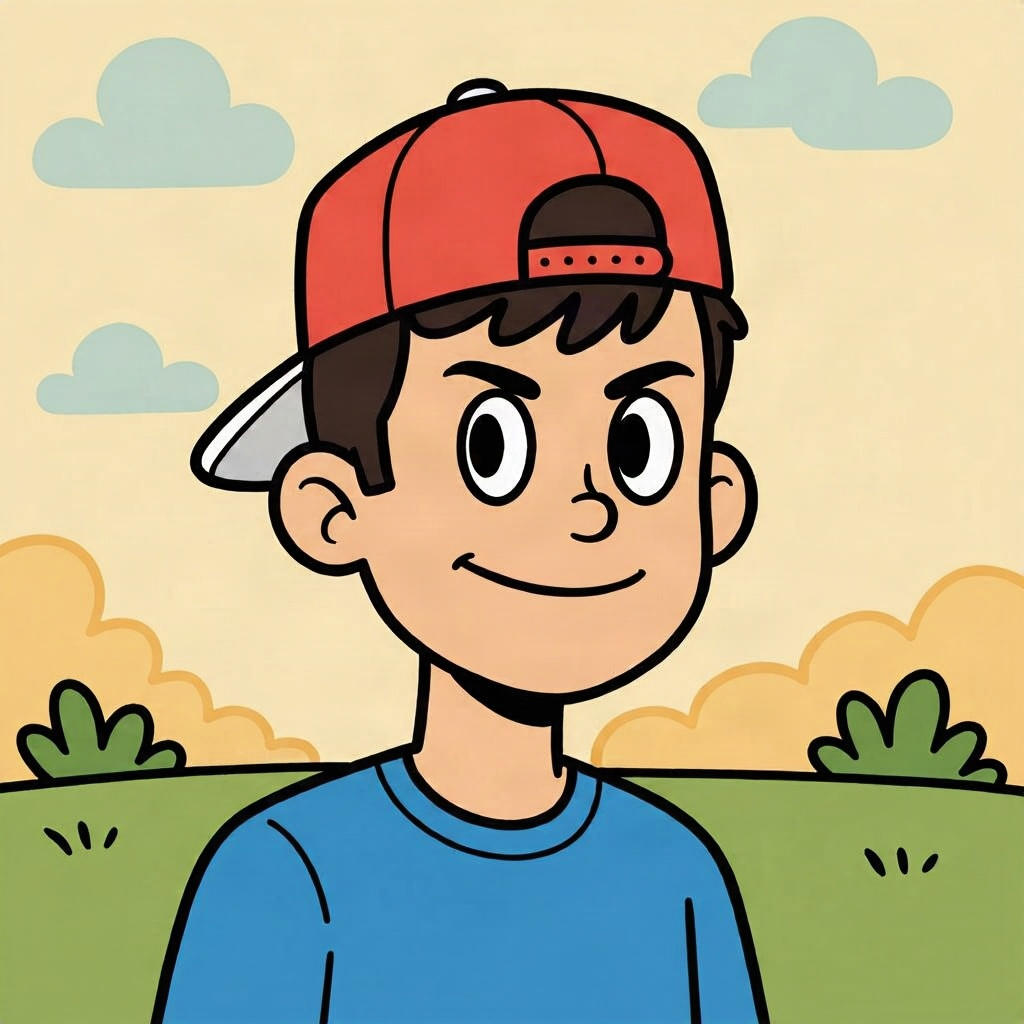
Sam, a curious observer and lover of nature's mysteries, had spent countless hours listening to the birds. "It's as if they're manipulating us," he mused, noting how the birds' calls seemed to incite unrest among neighbors. As the birds' war songs evolved, so did the tensions between the humans below.
The war of the birds intensified as seasons changed, their battles leaving feathers strewn like fallen leaves. With each passing month, the birds' audacious cries grew bolder, blending seamlessly with the sounds of human discord. The two species, avian and human, seemed locked in a dance of imitation and manipulation.
Sam watched the sunset, pondering the strange symbiosis between the birds and the people. "Perhaps," he thought, "we have more in common with them than we care to admit." The war of the birds, with its mimicry and manipulation, was a mirror held up to the human condition—a reminder of the power of communication, both in harmony and in conflict.
As four seasons of bird wars passed, the neighborhood began to find a strange peace. The birds, their squawks now a familiar refrain, continued their mimicry, but the humans had learned to listen differently—to hear the underlying harmony beneath the discordant calls. In the end, the war of the birds was not just a tale of conflict, but a story of understanding and adaptation.